THE PRIDE OF THE ZULU: A LEGACY OF STRENGTH AND CULTURE
By: Elias Mampheko, Junior Curator, DITSONG: National Museum of Cultural History
The History of the Zulus
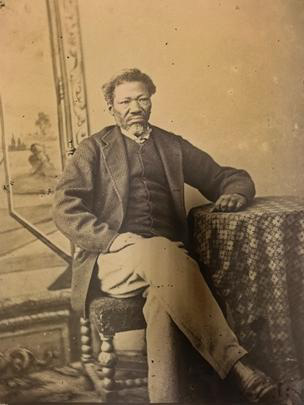
Before emerging as a powerful nation, the Zulu people were largely organised into small clans practicing subsistence farming, similar to other communities in South Africa. Their history and heritage were profoundly shaped by one of their greatest leaders, King Sigid Senzangakhona—popularly known as King Shaka. In the 19th century, he transformed the Zulu people into one of the strongest and most influential nations in Southern Africa.
Under King Shaka’s leadership, the Zulus rose from a cluster of relatively small clans to a unified and formidable nation. He achieved this through major military reforms, including the introduction of new tactics and weaponry. Among the most significant innovations was the iklwa, a short stabbing spear that revolutionized close-combat warfare. Shaka’s rigorous training methods and aggressive military strategies strengthened the Zulu army, but they also contributed to widespread conflict and displacement across the region.
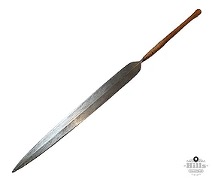
The Zulu iklwa is a short, broad-bladed stabbing spear introduced by King Shaka Zulu.
These conflicts became known as the Mfecane, a Zulu term meaning “the crushing” or “the scattering.” Although various factors contributed to the Mfecane—such as famine, drought, and competition for limited resources—King Shaka’s dominance and military restructuring played a major role. Some historians further suggest that the introduction of maize (corn) by Europeans indirectly contributed to the turmoil, as it supported rapid population growth, thereby increasing pressure on land and resources.
King Shaka was ultimately killed by his half-brothers, yet his legacy continues to be felt today. He remains a highly celebrated figure among the Zulu people, who regard themselves as one of the greatest nations—particularly known for their strength and skill in warfare and conflict
Indigenous Dwellings of the Zulu People
The traditional huts of the Zulu people are known as iqukwane. These dome-shaped structures are constructed from bent wooden poles, woven grass, and reeds. The entrances are deliberately made low, requiring anyone entering to stoop. This architectural feature gave rise to an alternative name for these huts—Quka, derived from the Zulu word meaning “to bend down.”
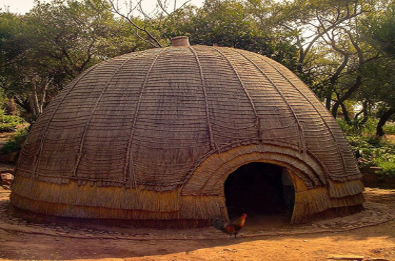
Zulu huts known as iqukwane are dome-shaped.
The floors were made from termite-nest clay, which provided a strong, waterproof surface capable of withstanding harsh weather conditions, including the frequent floods experienced in the Natal region. They were often polished and decorated with cow dung, which enhanced both their durability and smooth finish. The iqukwhane is a thatched-roof hut, and its structure is mostly bound together by women using braided split reeds and grass. These huts were typically positioned in the centre of the kraal, providing inhabitants with a clear view of any approaching visitors or potential threats.
The Culture and Traditions of the Zulu People
The Zulu people are renowned for their deep respect for their culture and traditions. Their heritage is regarded as one of the richest in South Africa and is carefully passed down from one generation to the next. Despite the influence of modern civilization, the Zulu continue to uphold many of their traditional practices. For example, while many South African communities have abandoned polygamy, it remains a socially accepted practice among the Zulu.

Vibrant Zulu dancers performing traditional dances, showcasing the rhythm, energy, and cultural heritage of the Zulu people.
Zulu culture is often expressed through vibrant music, energetic dance, and symbolic and intricate beadwork. Beads hold particular significance in communication, especially regarding relationships. Specific bead patterns and colours indicate a girl’s purity, while others identify engaged or married women. This visual system helps prevent inappropriate advances from men who may not know a woman’s relationship status.
Many Zulu men wear a traditional wristband made from animal skin, known as isiphanga. Animals play a central role in spiritual practices. During ceremonies, domestic animals are often slaughtered to honour and appease the ancestors. These ancestral rituals are performed to seek guidance, protection, and blessings from those who have passed on.
Conclusion
The Zulu people have evolved from small, scattered clans into one of South Africa’s most prominent ethnolinguistic groups, celebrated for their rich and enduring culture. While they have incorporated aspects of modern life, they continue to uphold their traditions with great pride. Their cultural practices are carefully preserved and transmitted from one generation to the next, keeping their heritage vibrant and alive.