
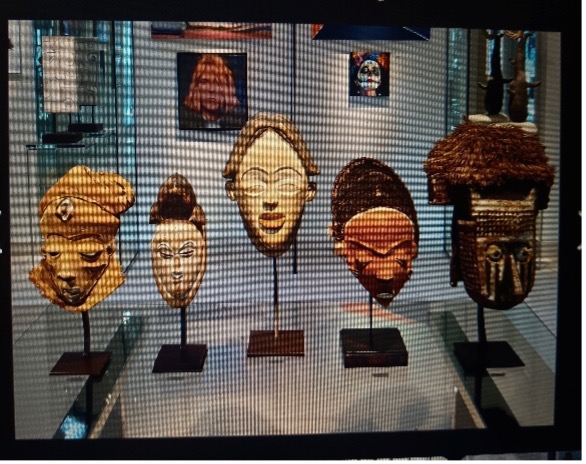
Decolonisation and Africanisation of Museums: A Curatorial Imperative
By: Abraham Mohale, Junior Curator, DITSONG National Museum of Military History Introduction Decolonisation is a complex, multifaceted process that involves the undoing of colonialism in its various forms; it can be political, economic, cultural, and psychological. Africanisation, on the other hand, is
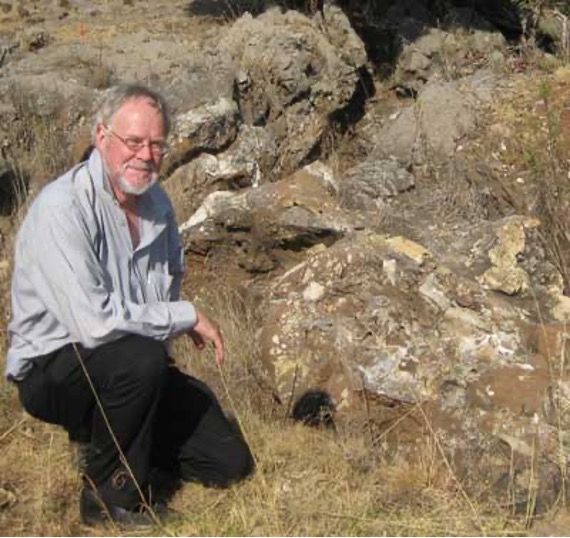
“The Big 5” – Five Key Palaeoanthropologists at DITSONG: National Museum of Natural History.
Lazarus Kgasi, Junior Curator, DITSONG: National Museum of Natural History. Within a period of 80 years since 1936 (the year in which the first Australopithecus fossil was discovered at Sterkfontein), the Plio-Pleistocene Palaeontology section of DITSONG: National Museum of Natural History,
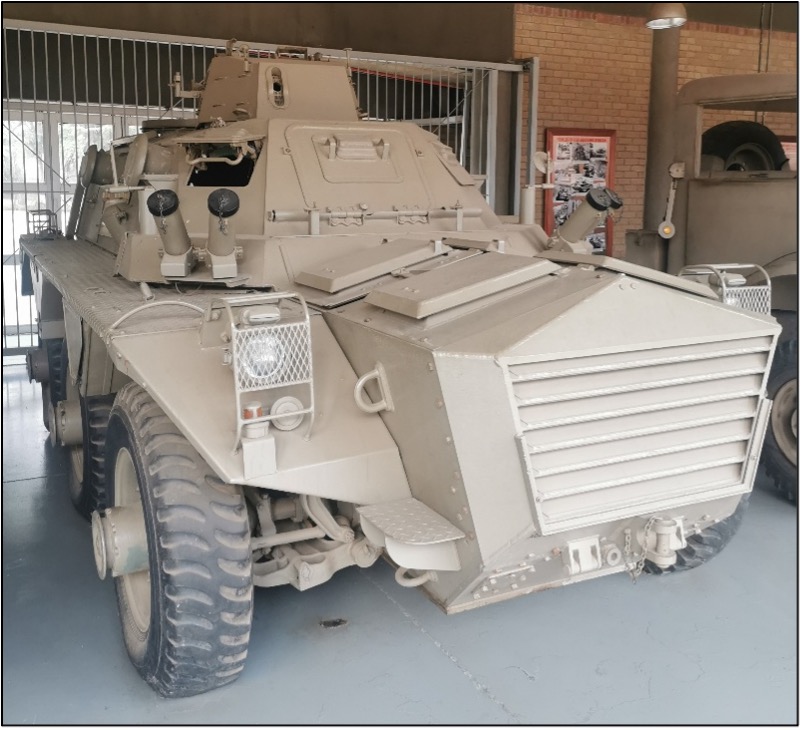
THE FRANCE–SOUTH AFRICA ARMS RELATIONSHIP DURING APARTHEID
By: David Rilley-Harris, Curator, DITSONG: National Museum of Military History Figure 1: French Alouette and Mirage aircraft previously in South African Service.(Photo: DITSONG: National Museum of Military History). From the 1960s onward, South Africa has had an arms trade relationship with France,

Coproliths – fossilised animal dung
Dr Heidi Fourie, curator, DITSONG: National Museum of Natural History Imagine holding in your hand not a skull or a shell, but something far humbler – fossilised dung. It is a coprolite, a fossil excretion that carries within it a treasure

Gustav Schoeman Preller And The Kruger Millions: Fabricated Or Fact
By: Jan van den Bos, Curator: DITSONG: National Museum of Cultural History As a writer, historian and journalist, Gustav Preller (1875-1943) dedicated his career to the history of South Africa. His publication: Day-Dawn portrays the history of South Africa between 1836

PROPAGANDA
By Abraham Mohale -Junior Curator, DITSONG: National Museum of Military History Introduction Propaganda is the systematic, biased, or misleading, dissemination of information, images, and ideas designed to manipulate audiences, beliefs, or behaviours to support a specific cause, agenda, or institution. It often
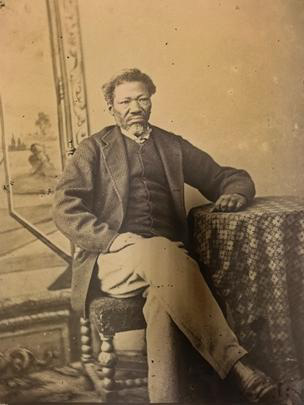
FACES WITHOUT NAMES: UNNAMED AFRICAN PHOTOGRAPHS, COLONIAL DOCUMENTATION AND ARCHIVAL SILENCE
A Reflection from the DITSONG: National Museum of Cultural History By: Nthabiseng Mokwena (Nzuza), Junior Curator, DITSONG: National Museum of Cultural History DNMCH Accession Number: HKF 1687 Photograph found in the Collection with no Provenance The South African Museum Archives has a large catalogue

FREEMASON OBJECTS IN THE COLLECTION OF DITSONG: NATIONAL MUSEUM OF CULTURAL HISTORY, PRETORIA
By: Jan van den Bos, Curator: DITSONG: National Museum of Cultural History Freemasonry is among the world’s oldest and most powerful fraternal societies with a global membership exceeding six million. Freemasonry traces its origin to the stonemason guilds of the Middle

90th Anniversary of the first discovery of an adult Australopithecus cranium, TM 1511, at Sterkfontein Caves, South Africa
R.J. Clarke1 and Lazarus Kgasi2 1 Evolutionary Studies Institute, University of the Witwatersrand, Johannesburg 2 DITSONG: National Museum of Natural History, Pretoria Introduction The Transvaal Museum, now named the DITSONG: Museum of Natural History, Pretoria, is internationally renowned as the custodian of one of

STS 52 AND THE EVOLUTIONARY CONTEXT OF AUSTRALOPITHECUS AFRICANUS: INSIGHTS INTO HOMININ DIVERSITY, ADAPTATION, AND THE ORIGINS OF MODERN HUMAN TRAITS
By: Lazarus Kgasi, Junior Curator, DITSONG: National Museum of Natural History Figure A. Maxilla of Sts 52 (@L Kgasi). The hominin fossil Sts 52 (see figure 1), a partial cranium of Australopithecus africanus from Sterkfontein, South Africa, provides valuable insights into a