IRON SMELTING TABOOS DURING THE LATE IRON AGE IN SOUTH AFRICA
By: Frank Teichert: Curator, DITSONG: National Museum of Cultural History
The Late Iron Age (approximately 900–1800 CE) in South Africa marked a period of significant technological and cultural evolution. Among the most transformative advancements was the mastery of iron smelting, which revolutionised agriculture, warfare, and daily life. However, this process was shrouded in layers of mysticism and taboo, reflecting its central role in society and the spiritual beliefs tied to metallurgy.
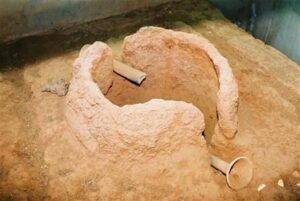
Excavated Iron Age Iron furnace from Melville Koppies, Johannesburg.
The Role of Iron in Late Iron Age Societies
Iron smelting provided the essential tools necessary for agricultural expansion and weapon production. These advancements allowed communities to establish themselves more firmly in diverse landscapes, from the fertile lowlands to the highveld. The use of iron tools boosted agricultural productivity, supporting population growth and contributing to the emergence of complex chiefdoms.
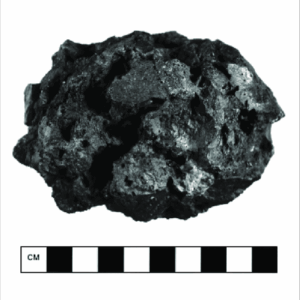
Iron smelting slag – the remnants from the iron smelting process.
The production of iron was thus not merely a technological milestone but also a foundation for societal development. Because of its crucial role, iron smelting came to hold profound sacred and symbolic meaning within society.

Iron Age tools from the Archaeology Collection, DITSONG: National Museum of Cultural History.
Taboos and Rituals Surrounding Iron Smelting
In many South African communities of the Late Iron Age, smelting was a highly ritualised process governed by strict taboos. These taboos were rooted in the belief that smelting was an act of transformation — turning raw ore into a tool-ready metal was akin to creating life. This parallel between smelting and procreation made the process sacred and often secretive.
1. Gender-Based Restrictions
Women were often prohibited from entering smelting sites or participating in the process. This restriction was tied to the symbolic association between smelting and male procreative power. In some traditions, it was believed that the presence of women, particularly menstruating women, could disrupt the process or anger ancestral spirits.
2. Seclusion of Smelters
Smelters often worked in isolated locations, far from settlements, to maintain secrecy and spiritual purity. These individuals held a special, often ambivalent, position in society. They were both revered for their skills and feared for their perceived ability to manipulate powerful forces.
3. Ritual Preparations
The smelting process was preceded by rituals intended to ensure its success. These could involve offerings to ancestors, invoking spiritual forces, and the use of charms. Smelters might also undergo periods of abstinence or purification before commencing their work.
4. Symbolism of the Furnace
The furnace itself was often seen as a symbolic womb, with the smelting process mirroring birth. The ore was “impregnated” with fire and transformed into iron, a metaphor that reinforced the sacredness of the act.
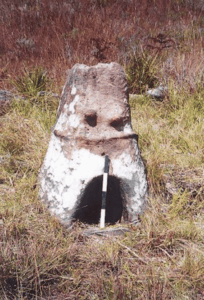
Anthropomorphic iron smelting furnace from Nyanga, Eastern Zimbabwe.
The Social Function of Taboos
The taboos and rituals surrounding iron smelting served several social functions:
- Preserving Knowledge: By restricting access to smelting knowledge, these taboos ensured that the skills were preserved within certain lineages or groups. This exclusivity maintained the smelter’s status and power within the community.
- Maintaining Order: The sacred nature of smelting reinforced social hierarchies and gender roles. It underscored the idea that certain individuals, often men, were entrusted with the community’s most critical and mysterious tasks.
- Spiritual Protection: The belief in spiritual interference underscored the community’s respect for nature and the unknown. The taboos ensured that the process remained protected from external and possibly harmful influences.
Continuity and Change
The taboos surrounding iron smelting persisted into the colonial period, though they were gradually modified as external influences disrupted traditional practices. While industrialisation and modern metallurgy have largely supplanted traditional smelting, the symbolic and cultural significance of ironworking remains evident in oral traditions and archaeological studies.

Iron hoes from the Late Iron Age in the Archaeology Collection (DITSONG: Museums of South Africa).
Conclusion
The taboos surrounding iron smelting during the Late Iron Age in South Africa reflect a society deeply attuned to the interplay between technology, culture, and spirituality. By embedding the smelting process within a framework of sacred rituals and prohibitions, communities reinforced the transformative power of metallurgy while safeguarding its knowledge and ensuring its success. Understanding these practices provides invaluable insights into the complex social and spiritual life of Late Iron Age societies in South Africa