ICONOGRAPHY AND SYMBOLISM OF THE BIG 5 ANIMALS: EXPLORING THEIR REPRESENTATION ON SOUTH AFRICAN MILITARY BADGES
By: Tinyeko Captain Ndhlovu, Curator: Insignia, Memorial Plaques, Postal History, Indigenous Military History – DITSONG: National Museum of Military History
The Big 5 animals hold significant cultural value in South Africa, representing some of the most recognizable and revered species within the country. Beyond their ecological importance, these animals have been symbolically adopted by the South African Army in badges representing various corps and units. This article addresses the reasons behind the inclusion of the land Big Five in military badges and evaluates how these icons contribute to the construction of military identity, heritage, and the perception of military ethos within South Africa.
The Big 5 Concepts: A Story of Two Tales
South Africa is renowned for its incredible wildlife, and the original concept of the Big 5 is deeply ingrained in the country’s culture and heritage. Traditionally, the land Big 5 referred to the five most iconic and elusive land animals in South Africa as listed in Table 1.
In recent years, a new concept has emerged: the Big Marine 5 (see Table 1). This exciting development recognizes the remarkable diversity of marine life off the coast of South Africa and emphasizes the importance of conservation efforts to protect these incredible creatures. It takes the concept of the traditional Big 5 and applies it to the incredible diversity of marine life off the coast of South Africa.
| Big Land 5: Common names | Scientific names | Big Marine 5: Common names | Scientific names |
| 1) African Elephant | Loxodonta Africana
(Blumenbach, 1797). |
African Penguin | Spheniscus demersus
(Linnaeus, 1758). |
| 2) Cape Buffalo | Syncerus caffer
(Sparman, 1779). |
Bottlenose Dolphin | Tursiops truncatus
(Montagu, 1821). |
| 3) Leopard | a) Panthera pardus (Linnaeus, 1758) | Cape Fur Seals | Artocephalus pusillus pusillus (Schreber, 1775).
|
| 4) Lion | Panthera leo
(Linnaeus, 1758) |
Great White Shark | Carcharodon carcharias
(Linnaeus, 1758). |
| 5) Rhinoceros: a) Black Rhinoceros
b) White Rhinoceros |
b) Diceros bicornis (Linnaeus, 1758)
c) Ceratotherium simum (Burchell, 1817)
|
Southern Right Whale | Eubalaena australis (Desmoulins, 1822). |
Table 1: The Big 5 Animals (Both land and marine: Common and Scientific name (Source: author’s compilation)
Iconography and Symbolism on some South African Army Badges
African Elephant
Military Badges: The elephant has been widely used in military badges across various nations and time periods, symbolizing attributes essential to warfare and military service.
Key Symbolic Meanings of the Elephant in Heraldry:
- Strength and Power
- Loyalty and Endurance
- Logistic and teamwork
- Wisdom and Strategy
Figure 2: South African Native Military Corps Cap/Hat Badge
The South African Native Military Corps (NMC) was a non-combatant unit of the South African military during World War II (1940-1947). It comprised Black South African volunteers who were recruited into the Union Defence Force (UDF). Despite the unit’s name, the NMC did not engage in combat and instead served as labourers, providing support to white South African UDF military units.
Cape Buffalo
Military Badges: The Cape Buffalo has been widely used in military badges across various nations and time periods, symbolizing attributes essential to warfare and military service.
Key Symbolic Meanings of the Cape Buffalo in Heraldry:
- Perseverance, resilience and determination
- Strength and ferocity
Cape Buffalo head symbolizes:
- Strategic thinking
- Leadership and dominance
Buffalo Horns symbolizes:
- Power aggression, and protection In Nguni (Zulu) Buffalo Horns symbolizes:
War attacking formations and tactics

Figure 3: 32 Battalion Buffalo Cap and Belt Buckler Badges.
South African Defence Force (SADF) 32 Battalion Flag 1975 – 26 March 1993
32 Battalion, often called the “Buffalo Battalion,” was a special forces unit of the SADF that operated from 1975 to 1993. It was primarily composed of Angolan anti-communist fighters, former members of the National Liberation Front of Angola (FNLA) and led by South African officers. The unit was originally formed to counter the People’s Movement for the Liberation of Angola (MPLA). 32 Battalion played a major role in the South African border wars (especially in Angola and Namibia). The unit was disbanded in 1993 as South Africa transitioned away from Apartheid-era policies.
The Cape Buffalo also appears in several military insignia, including that of the former Bophuthatswana Defence Force. Additionally, it is featured on national and regional crests, symbolizing the wildlife and natural heritage of various entities and countries.
Leopard
Military Badges: The leopard has been prominently featured in military badges across different nations and eras, symbolizing key attributes vital to warfare and military service. The leopard is also known for its ambush tactics, intelligence and surprise in warfare.
Key Symbolic Meanings of the Leopard in Heraldry:
- Strength and power
- Stealth and strategy
- African identity
Authority and protection

Figure 4: Bophuthatswana Defence Force (BDF) Cap Badge.
The Bophuthatswana Defence Force (BDF) was the military force of the so-called independent Republic of Bophuthatswana, a South African homeland (“Bantustan”) created under the Apartheid regime. The BDF was established in 1977 following Bophuthatswana’s declaration of “independence” from South Africa, although no country outside South Africa recognised this independence.
Active Years: 1977 to 1994
Size: Estimated 2,000 to 3,000 personnel at its peak
Role: Internal security, border protection, and support for the South African Defence Force (SADF)
Main Base: Mmabatho, the former capital of Bophuthatswana
Disbanded: 1994
The leopard served as the primary symbol of the BDF, appearing in various forms on its insignia, badges, and unit patches. It symbolized a powerful and cunning predator, reflecting the military’s strength and capability.
Lion
The “Pride of Lions” badge is a significant emblem within the South African Defence Force (SANDF) symbolizing:
Central Lion’s Head:
- Leadership
- Courage
Three Lionesses’ Heads:
- Unity
- Strength
Support
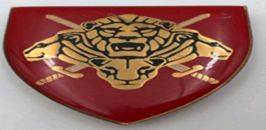
Figure 5: Chief of the SANDF HQ Metal Shoulder Flash Romantiques
In 2003, the South African Army introduced a new emblem featuring the “Pride of Lions” design. This emblem replaced the previous pre-2003 Castle of Good Hope outline, signifying a shift towards a symbol that resonates more deeply with African heritage and the transformative journey of the South African National Defence Force (SANDF). The emblem was set within a red shield, adhering to traditional heraldic design.
The lion remains a central figure in the SA Army’s insignia, embodying the enduring values of bravery, leadership, and strength. These qualities continue to represent the core ideals of the military, reflecting the power and resilience that the lion symbolises.
Rhinoceros (Black/White Rhinoceros)
Symbolizing resilience and force, the rhinoceros represents armored and mechanized units within the army. Known for its toughness and endurance, the rhinoceros reflects the strategic roles of these units in high-impact operations, where power, durability, and the ability to withstand challenging conditions are paramount.
The Rhinoceros in military badges symbolizes:
- Aggression and determination
- Protection and defense
- Speed and shock tactics
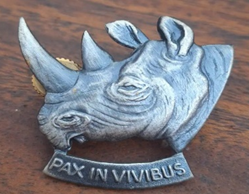
Figure 6: South-West Africa (SWAT) 101 Battalion Cap/Beret Badge.
The 101 Battalion SWAT unit, linked to South African military operations, featured a rhinoceros in its insignia, symbolizing endurance and adaptability in bush warfare. Several other units also adopted the rhinoceros in their insignia, including the South African Zululand Mounted Rifles, Cap’s Badges, and the South African Armoured Personnel Carrier Squadron Military Border War Flashes Badges. The rhinoceros, with its symbolic representation of strength and resilience, served as a fitting emblem for units engaged in demanding and high-intensity operations.
Great White Shark- Cacharodon carcharias: One of the most iconic and feared predators in the ocean, great white sharks are a common sight in South African waters.
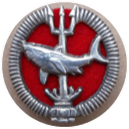
Figure 7: South African Special Force Attack Diver Qualification Badge
South African Attack Diver Qualification Badges:
- Proprietary Badge: Worn by qualified operators, this badge features a Great White Shark over a trident, symbolising the dangerous and elite nature of the role. It is enriched with a rebreathing aqualung pipe and is worn above the right pocket, above the name tag, and below the Special Forces Operators Badge.
- Bronze Qualification Badge: This badge is awarded to Special Forces operators who have demonstrated proficiency as Attack Divers, marking their expertise in underwater combat and specialized operations.
- Chrome Qualification Badge: This badge is awarded to the Attack Diver Instructor, recognizing their expertise and role in training and mentoring future Attack Divers within the Special Forces.
- Silver Qualification Badge: This badge is awarded to Special Forces operators who have demonstrated proficiency as Attack Diver Instructors, signifying their advanced expertise in both attack diving and the training of others in this specialized field.
. Bottlenose Dolphin: Other species can also be seen playing in the waves along the South African coast.
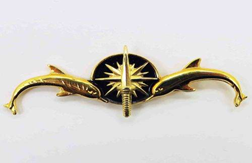
Figure 8: South African Navy Submarine Qualifying Badge (Source: Bobshop.co.za)
South African Navy Submarine Qualification Badges:
- Gold Dolphins: Awarded to fully qualified officers serving in submarines. Represents leadership and command proficiency in submarine operations.
- Silver Dolphins: Awarded to non-commissioned officers (NCOs) and enlisted sailors who completed submarine qualifications. Indicates operational proficiency and expertise in submarine duties. Similar in design to the gold badge but in silver.
- Honorary Dolphins: Occasionally awarded to individuals who have made significant contributions to the South African submarine services, even if they are not active submariners. These may be gold or silver, depending on the recipient’s status.
The design of the SAN Dolphins follows traditional naval submarine insignia styles, reflecting both South African and British naval influences.
Conclusion
The Big 5 animals hold profound cultural and symbolic meaning in South African iconography, embodying the nation’s values of bravery, stealth, strength, resilience, and conservation. Their inclusion in military badges, emblems, and crests not only reflects these qualities but also serves as a reminder of the importance of promoting and protecting South Africa’s natural resources. Additionally, it underscores the commitment to preserving the country’s rich wildlife heritage for future generations. Through these symbols, the legacy of South Africa’s iconic animals is intertwined with its military identity and ethos.
References
Bopshop.co.za (n.d.). ‘South African military badges.’
Encyclopedia Britannica (n.d.). ‘Bottlenose Dolphin.’
DefenceWeb. (n.d.). ‘‘Bophuthatswana Defence Force Badges.’
Kingdon, J. (2015). ‘The Kingdon Field Guide to African Mammals. Bloomsbury Publishing.
International Union for Nature (IUCN). (2020). ‘Ceratotherium simun.’
International Union for Nature (IUCN). (2020). ‘Diceros bicornis.’
International Union for Nature (IUCN). (2020). ‘Tursiops truncatus.’
Native Military Corps | Wikipedia en.wikipedia.org
National Oceanic and Atmospheric Administration (NOAA). (n.d.). Bottlenose Dolphin.
Nowak, R.M. (1999). ‘Walker’s Mammals of the World’. Johns Hopkins University Press.
South African Army. (n.d). ‘Uniforms and Badges.’
South African Military Society. (n.d). ‘Bophuthatswana Defence Force Badges.’