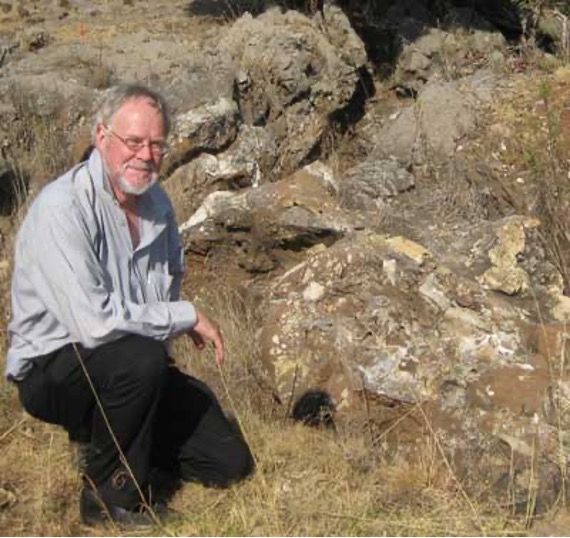
“The Big 5” – Five Key Palaeoanthropologists at DITSONG: National Museum of Natural History.
Lazarus Kgasi, Junior Curator, DITSONG: National Museum of Natural History.
Within a period of 80 years since 1936 (the year in which the first Australopithecus fossil was discovered at Sterkfontein), the Plio-Pleistocene Palaeontology section of DITSONG: National Museum of Natural History, Pretoria) became a world leader in hominin and vertebrate palaeontology, primarily through a sequence of contributions of five scientists: Robert Broom, John T. Robinson, C.K. “Bob” Brain, Elisabeth Vrba, and Francis Thackeray. This paper reviews their individual and collective impact.
Broom established the Plio-Pleistocene section and discovered iconic hominin fossils that represent distant relatives of humankind more than a million years old. Robinson systematised the collection and helped to clarify early hominin taxonomy. Brain revolutionised taphonomic methodology, disproving Raymond Dart’s speculative interpretations of bone accumulations. Vrba introduced the Turnover Pulse Hypothesis, linking climate change to evolutionary patterns. Thackeray modernised the section and pursued a diversity of projects including the use of Computed Tomography (CT) scanning, the application of carbon isotope analysis for palaeodietary reconstructions, and the use of palaeomagnetic dating. Together, they transformed the museum from a colonial repository into a dynamic centre for discoveries, evolutionary theory and method.
While we celebrate the contributions of the Big 5, we also acknowledge the skills, knowledge, and dedication of men and women who worked behind the scenes in collection, excavation and fieldwork, including Absalom Lobelo, Daniel Mosehle, Saul Sithole, George Moenda, Lawrence Radebe, Obet Sepeng, and Reinette Mathabathe. They made the Big 5 shine. I walk tall in the Plio Pleistocene Palaeontology section, and even during fieldwork I can see the products of their hard work. Metaphorically, every fossil in the collection, including the vault known as The Broom Room, has their fingerprints on them, and their footprints are stamped on the sites of excavations. Their contributions to the Plio-Pleistocene Palaeontology section and its science are unmatched.
Introduction
DITSONG: National Museum of Natural History (former Transvaal Museum, founded in 1892) initially focused on natural history collections typical of the late colonial era. Its Plio-Pleistocene Palaeontology Section gained international prominence after the arrival of Robert Broom in 1934. Within eight decades, a lineage of curators and researchers built upon Broom’s foundation, developing new concepts and applying a diversity of techniques. In addition to Broom himself we recognise the influences of John T. Robinson, Bob Brain, Elisabeth Vrba and Francis Thackeray. They contributed to the development of the Plio-Pleistocene Paleontology’s Section with regard to its scientific standing, collections and theoretical frameworks. The objective of this article is to understand how individual scientific contributions shaped the museum’s role in hominin and Plio-Pleistocene vertebrate palaeontology.
This study is a historical and bibliographic review of the five researchers’ published works and archival records associated with DITSONG: National Museum of Natural History. Materials include:
Primary scientific publications by Broom (1936–1951).
Robinson (1951 – 1963).
Brain (1960s – 1990s).
Vrba (1970s – 1980s).
and Thackeray (1990s–2010s).
– Museum annual reports and curatorial records documenting fossil accessions, excavations (Sterkfontein, Swartkrans, Kromdraai), and staffing changes.
– Secondary historical analyses of South African palaeoanthropology.
I assessed each researcher’s influence by (a) their field discoveries and laboratory innovations, (b) changes in the section’s research direction or methodology, and (c) lasting theoretical contributions that originated from work at DITSONG: National Museum of Natural History.

Robert Broom (1934–1951): Founding the Section
Broom was appointed as Curator of Vertebrate Palaeontology at the age of 68 in 1934. Within two years he began excavating at the Sterkfontein Caves situated near Pretoria in the area known today as the “Cradle of Humankind”. His discovery of many fossils of Australopithecus africanus, including a partial skull (TM 1511, found in 1936) and an almost complete cranium (Sts 5, found in 1947) known affectionately as “Mrs. Ples” (1947), contributed to the acceptance that Africa was indeed the “cradle” of hominin evolution. Broom published over 400 papers, rapidly building the museum’s collection. His influence was foundational: he established a dedicated palaeontology section, trained local assistants (e.g., John Robinson), and placed the DITSONG: National Museum of Natural History on the global map. However, his work was often unsystematic, lacking rigorous comparative anatomy or stratigraphic control.
John T. Robinson (1951 – 1963): Systematisation
Robinson was appointed to assist Broom who had not been paying attention to stratigraphy at Sterkfontein when miners were using dynamite to exploit calcite deposits. After Broom’s death, Robinson brought order to the museum’s collections. He recognised that the robust australopiths from Swartkrans (Paranthropus robustus) differed ecologically and morphologically from the gracile Australopithecus africanus from Sterkfontein. He also identified the first South African early Homo. Robinson’s influence lay in taxonomic clarity: he introduced standardised comparative methods, wrote detailed monographs, and trained a generation of students. The section shifted from “discovery-driven” to “hypothesis-driven” research.
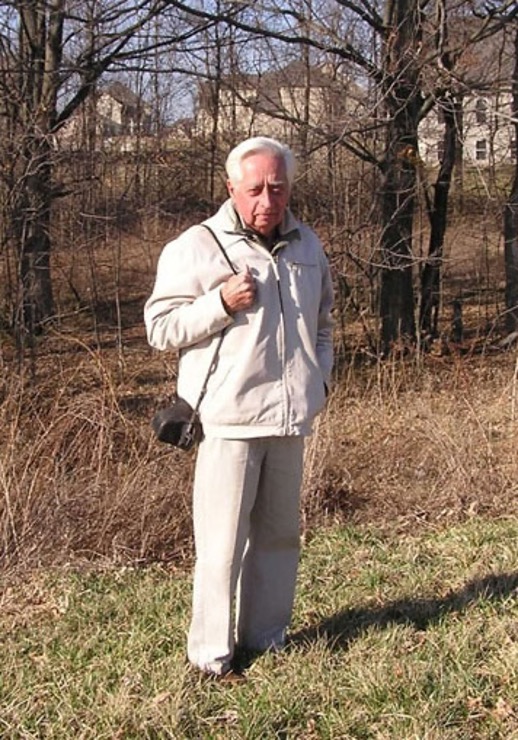
C.K. “Bob” Brain (1960s – 1990s): Taphonomic Revolution
Brain had a university background in geology and zoology. His PhD involved an analysis of the granularity of sand grains from hominin sites, with the intention of reconstructing past changes in rainfall at cave sites. As a palaeontologist he was critical of Raymond Dart’s claims that hominins at Makapansgat (in the Limpopo Province) were using bones, teeth and horns as tools or even weapons in the Early Pleistocene. On the basis of pioneering taphonomic approaches Brain was able to overturn Dart’s concept of an “Osteodontokeratic” (ODK bone-tooth-horn) culture. He demonstrated that patterns of bone breakage could be due primarily if not entirely to natural factors rather than to hominin behaviour. He can be considered as “The father of cave taphonomy”. Brain’s influence was methodological: experimental taphonomy became a mandatory tool for any fossil site interpretation worldwide.
Brain became museum director, ensuring long‑term support for the section. He spent more than 30 years working at Swartkrans and discovered that hominins were using fire in a controlled manner about a million years ago. He was responsible for the installation of outstanding exhibits which related to the evolution of life from single-celled organisms to the grand biodiversity we have today, including hominins.
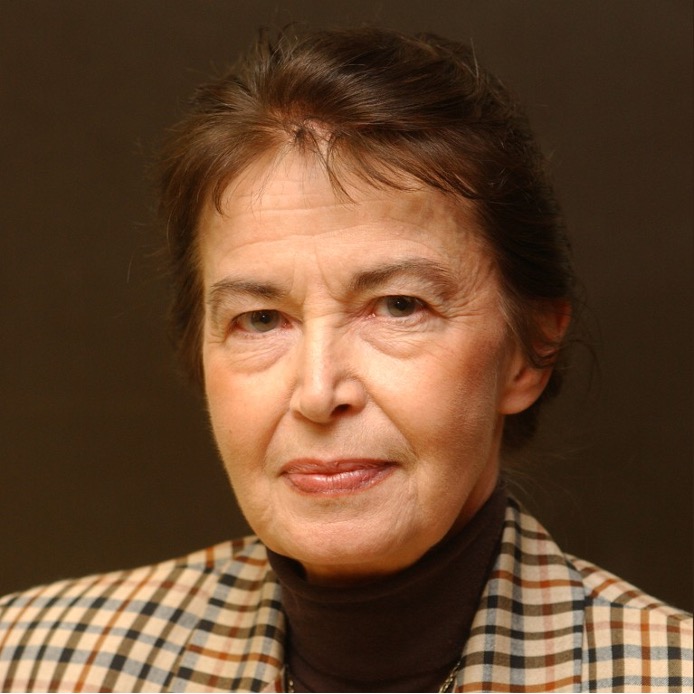
Elisabeth Vrba (1970s – 1980s): Theoretical Innovation
Vrba studied fossil antelopes (Bovidae) from Sterkfontein, Swartkrans and Kromdraai. She reconstructed past environments from the relative abundance of species known today as having affinities with grassland (eg wildebeest), woodland (eg. kudu) and antelope that fed on mixed vegetation. Noticing abrupt, clustered extinctions and appearances of species, she formulated the Turnover Pulse Hypothesis: rapid environmental change (climate shifts) drives synchronous evolutionary turnover across unrelated lineages, rather than gradual, continuous competition. This hypothesis, developed using the museum’s extensive ungulate collections, revolutionised how palaeontologists link hominin evolution to climate. Vrba’s influence was theoretical: the Palaeontology section became a birthplace of a major evolutionary model, and her biostratigraphic work at Kromdraai provided dating frameworks for hominin fossils.
Francis Thackeray (1990s – 2010s): Modernisation and Synthesis
As curator and later director, Thackeray pioneered the use of Computed Tomography (CT scans using X-rays) in South Africa to study the internal anatomy of Plio-Pleistocene hominin fossils. An example of this was to quantify tooth enamel thickness in specimens attributed to Australopithecus, Paranthropus and early Homo from Sterkfontein, Swartkrans and Kromdraai. He undertook fieldwork at Plover’s Lake (1990-1993) and at Kromdraai for 15 years while at the museum, making use of palaeomagnetism to facilitate dating.
Prior to 1994 the teaching of evolution at schools had been forbidden, but at the end of apartheid Thackeray worked closely with the newly established Department of Arts, Culture, Science and Technology. Through exhibitions and lectures he promoted public awareness of South Africa’s rich palaeontological heritage, nationally and internationally. In particular he contributed to the establishment of a strong connection between French and South African palaeoanthropologists which endures to this day. He was the recipient of the Order of Merit (Chevalier) from the Republic of France.
Thackeray’s influence was integrative: he bridged the DITSONG: National Museum of Natural History’s traditional strengths (fossils) with 21st‑century techniques, ensuring the section’s continued relevance.
Collective Impact
Together, these five individuals transformed the Palaeontology section through four enduring legacies:
– A world‑class fossil collection (especially hominins and bovids).
– A methodological toolkit (taphonomy, biostratigraphy, chronology).
– A theoretical lineage (Turnover Pulse, climate‑driven evolution).
– An institutional identity as a dynamic generator of palaeoscientific knowledge, not merely a repository.
Conclusion
The Plio – Pleistocene Palaeontology section of the DITSONG: National Museum of Natural History evolved through distinct phases: discovery (Broom), classification (Robinson), interpretation (Brain), theory (Vrba), and modernisation (Thackeray). Each scientist built upon previous foundations, correcting weaknesses and opening new avenues. Their work collectively established the museum as a global centre for the study of human origins and African vertebrate evolution. Without this sequential influence, DITSONG: National Museum of Natural History would likely have remained a minor colonial natural history collection rather than a cornerstone of palaeoanthropology. Future research should explore how these influences shaped broader scientific policies in South Africa and international collaborations.
Selected references
BROOM.
Broom, R. (1950). Finding the Missing Link. Watts & Co.
Tobias, P.V. (2005). “Robert Broom’s legacy to the Transvaal Museum.” Palaeontologia Africana, 41: 1–8.
ROBINSON
Robinson, J.T. (1956). The Dentition of the Australopithecinae. Transvaal Museum Memoir No. 9.
BRAIN
Brain, C.K. (1981). The Hunters or the Hunted? An Introduction to African Cave Taphonomy. University of Chicago Press.
Brain, C.K. (Editor). 1993. Swartkrans: A Cave’s Chronicle of Early Man. Transvaal Museum Monograph 8
VRBA
Vrba, E.S. 1976. The fossil Bovidae of Sterkfontein, Swartkrans and Kromdraai. Transvaal Museum Memoir 21. Transvaal Musuem, Pretoria.
Reed, K.E. (2018). Elisabeth Vrba and the Turnover Pulse Hypothesis. Evolutionary Anthropology, 27(3): 118–125.
THACKERAY. Selected publications.
Macho, G.A. & Thackeray, J.F. 1992. Computed tomography and enamel thickness of maxillary molars of Plio-Pleistocene hominids from Sterkfontein, Swartkrans and Kromdraai (South Africa): An exploratory study. American Journal of Physical Anthropology 89:133-143.
Van der Merwe, N.J., Lee-Thorp, J.A. & Thackeray, J.F. 1992. Isotopic analysis of Plio-Pleistocene fauna from Swartkrans and Sterkfontein, South Africa. Abstracts of papers presented at the Third International Congress on Human Palaeontology in Israel. Journal of the Israel Prehistoric Society Supplement 1:129.
Thackeray, J.F., Van der Merwe, N.J., Lee-Thorp, J.A. & Sealy, J. 1993. Relationships between stable carbon and nitrogen isotope ratios in bone collagen of African ungulates. South African Journal of Science 89:458-459.
Dean, M.C., Beynon, A.D., Thackeray, J.F. & Macho, G.A. 1993. Histological reconstruction of dental development and age at death of a juvenile Paranthropus robustus specimen, SK 63, from Swartkrans, South Africa. American Journal of Physical Anthropology 91:401-419.
Macho, G.A. & Thackeray, J.F. 1993. Computed tomography and intercuspal angulation of maxillary molars of Plio-Pleistocene hominids from Sterkfontein, Swartkrans and Kromdraai (South Africa): An exploratory study. Zeitschrift für Morphologie und Anatomie 79:261-269.
Thackeray, J.F. 1994. Robust australopithecines and certain specimens attributed to early Homo: are they congeneric? Proceedings of the Anatomical society of Southern Africa. Journal of Anatomy 185:693.
Thackeray, J.F. & Watson, V. 1994. A preliminary account of faunal remains from Plovers Lake. South African Journal of Science 90:231-232.
McMahon, C.R. & Thackeray, J.F. 1994. Plio-Pleistocene Hyracoidea from Swartkrans Cave, South Africa. South African Journal of Zoology 29,1:40-45.
Thackeray, J.F. 1995. Do strontium-calcium ratios in early Pleistocene hominids from Swartkrans reflect physiological differences in males and females? Journal of Human Evolution 29:401-404.
Thackeray,.F. 1995. Exploring ungulate diversity, biomass and climate in modern and past environments. In: Vrba, E., Denton, G.H., Partridge, T.C. & Burckle, L.H. (eds) Paleoclimate and evolution, with emphasis on human origins: 479-482 New Haven: Yale University Press.
Thackeray, J.F. Lewies, A., Erikkson, P. & Partridge, T.C. 1995. Vanadium concentrations in cave sediments from the Sterkfontein Valley, South Africa. South African Journal of Science 91:556.
Loth, S.R., Henneberg, M. & Thackeray, J.F. 1995. Assessment of the sex of Sts 5 and Stw 53: A new consideration of sexual dimorphism in fossil hominids. Abstract of paper presented at the 64th Annual Meeting of the American Association of Physical Anthropologists held in Oakland, California, 28 March – 1 April 1995. American Journal of Physical Anthropology Supplement 20:136-137.
McKee, J.K., Thackeray, J.F. & Berger, L.R. 1995. Faunal assemblage seriation of southern African Pliocene and Pleistocene fossil deposits. American Journal of Physical Anthropology 96:235-250.
Schwartz, G.T., Thackeray, J.F. & Martin, L.B. 1995. Taxonomic relevance of enamel cap shape in extant hominoids and South African Plio-Pleistocene hominids. Abstract of paper presented at the 64th Annual Meeting of the American Association of Physical Anthropologists held in Oakland, California, 28 March – 1 April 1995. American Journal of Physical Anthropology Supplement 20: 193.
Smith, I.W.S., Laing, M., Thackeray, J.F., & Watson, V. 1995. X-ray powder diffraction study of fossils and associated breccias from the Sterkfontein Valley. South African Journal of Science 91:589-596.
Trevor-Jones, T.R., Thackeray, J.F., Von Mayer, A. & Sarmiento, E. 1995. Relationships between cranial capacity and basion-bregma in Hominidae, Pongidae and Cercopithecinae. South African Journal of Science 91:483-484.
Thackeray, F. 1996. Presidential address: I have a dream. Presented at the 9th Biennial Meeting of the Palaeontological Society of South Africa, Stellenbosch, 23-25 September 1996. Pal News 11,1:7-12.
Thackeray, J.F., Brink, J.S. & Plug, I. 1996. Temporal variability in horn-core dimensions of Damaliscus niro from Olduvai, Sterkfontein, Cornelia and Florisbad. In: Stewart, K.M. & Seymour, K.L.(eds) Palaeoecology and palaeoenvironments of late Cenozoic mammals: Tributes to C.S. (Rufus) Churcher: 631-636. Toronto: University of Toronto Press.
Thackeray, F. 1996/1997. Die südafrikanischen Australopithecinen. In: 4 Millionen Jahre Mensch. Das einzigartige Schauspiel zur Menschheitsgeschichte: 30-33. Duisberg: DAMO-Gruppe für United Exhibits.
Thackeray, J.F. 1997. Probabilities of conspecificity. Nature 390:30-31.
Thackeray, F. 1997. Our celebrated lady – Mrs Ples. Vuka 2,2:24-25.
Thackeray, F. 1997. 50th anniversary of the discovery of Mrs Ples. Australopithecus (Magazine of the South African Society for Amateur Palaeontologists) 6,1&2:1-2.
Thackeray, J.F. 1997. Cranial bone of Mrs Ples (Sts 5): fragments adhering to matrix. South African Journal of Science 93:169-170.
Thackeray, J.F., Bellamy, C.L., Bellars, D., Bronner, G., Bronner, L., Chimimba, C., Fourie, H., Kemp, A., Krüger, M., Plug, I., Prinsloo, S., Toms, R., Van Zyl, A.J. & Whiting, M.J. 1997. Probabilities of conspecificity: application of a morphometric technique to modern taxa and fossil specimens attributed to Australopithecus and Homo. South African Journal of Science 93:195-196.
Thackeray, J.F. & Mathers, C. 1997. Evaluating public awareness of Mrs Ples and palaeontological heritage. South African Journal of Science 93:172-173.
Thackeray, J.F. & Monteith, B.D. 1997. Relationships between prognathism and cranial capacity on Plio-Pleistocene hominids. South African Journal of Science 93:289-291.
Thackeray, J.F. & Reynolds, S. 1997. Variability in Plio-Pleistocene climates, habitats, and ungulate biomass in southern Africa. South African Journal of Science 93:171-172.
Galichon, V. & Thackeray, J.F. 1997. CT scans of trabecular bone structures in the ilia of Sts 14 (Australopithecus africanus), Homo sapiens and Pan paniscus. South African Journal of Science 93:179-180.
Grotepass, W.P. & Thackeray, J.F. 1997. The temporo-mandibular joint in mammalian evolution, with special reference to Mrs Ples and other hominids. South African Journal of Science 93:181.
Kirkbride, A.N., Yates, S.C. & Thackeray, J.F. 1997. CT scans of Sts 14 provide the potential for manufacturing casts. South African Journal of Science 93:178.
Kuman, K., Field, A.S. & Thackeray, J.F. 1997. Discovery of new artefacts at Kromdraai. South African Journal of Science 93:187-193.
Le Roux, S.D., De Beer, F.C. & Thackeray, J.F. 1997. Neutron radiography of cranial bone of Sts 5 (Australopithecus africanus) from Sterkfontein, South Africa. South African Journal of Science 93:176.
Le Roux, S.D., Thackeray, J.F., Badenhorst, J.D., Venter, A.M. & Grotepass, W.P. 1997. Non-destructive X-ray diffraction of cranial bone of Sts 5 (Australopithecus africanus) and adhering breccia from Sterkfontein, South Africa. South African Journal of Science 93:173-174.
Le Roux, S.D., Thackeray, J.F., Venter, A.M. & Grotepass, W.P. 1997. Non-destructive neutron diffraction analysis of Sts 5 (Australopithecus africanus) and other fossils from Sterkfontein. South African Journal of Science 93:174-175.
Ripamonti, U., Kirkbride, A.N., Yates, S.C. & Thackeray, J.F. 1997. Further evidence of periodontal bone pathology in a juvenile specimen of Australopithecus africanus from Sterkfontein, South Africa. South African Journal of Science 93:177-178.
Van der Merwe, N.J. & Thackeray, J.F. 1997. Stable carbon isotope analysis of ungulate Plio-Pleistocene teeth from Sterkfontein, South Africa. South African Journal of Science 93:194.
Young, S., Thackeray, J.F. & Van der Merwe, N.J. 1997. Vanadium concentration variability in Plio-Pleistocene deposits at Kromdraai, South Africa. Annals of the Transvaal Museum 36:253-256.
Thackeray, J.F. 1998. Preface. In: Clarke, R.J., Kuman, K., Brain, C.K., Tobias, P.V. & Thackeray, J.F. (compilers) Excursion guide book: Sterkfontein, Swartkrans and the Department of Anatomical Sciences at the University of the Witwatersrand Medical School: 2. Pretoria: Dual Congress South Africa 1998, International Association of Human Palaeontologists and International Association of Human Biologists.
Thackeray, F. 1998. Comparisons between the type specimens of Paranthropus robustus (TM 1517) and Homo habilis (OH 7). In: Raath, M.A., Soodyall, H., Barkhan, D., Kuykendall, K.L. & Tobias, P.V. (eds) Abstracts of contributions to the Dual Congress 1998: 134. Johannesburg: Dual Congress Organising Committee, Department of Anatomical Sciences, University of the Witwatersrand.
Blackwell, B.A.B., Thackeray, J.F., Tobias, P.V., Kuman, K., Schwarcz, H.P. & Skinner, A.F.R. 1998. The challenges in electron spin resonance (ESR) dating teeth from the classic australopithecine sites, Swartkrans, Sterkfontein, and Kromdraai, South Africa. In: Raath, M.A., Soodyall, H., Barkhan, D., Kuykendall, K.L. & Tobias, P.V. (eds) Abstracts of contributions to the Dual Congress 1998: 56. Johannesburg: Dual Congress Organising Committee, Department of Anatomical Sciences, University of the Witwatersrand.
Boscombe, L., Clarke, R.C., Conroy, G.C., Emby, D.J., Ralph, S., Recheis, W., Seidler, H., Thackeray, J.F., Tobias, P.V., Weber, G.W. & Zur Nedden, D. 1998. Recent CT-scans of Sterkfontein hominids using a Siemens Somatom Plus 4 facility at the Selby Park Medical Centre. In: Raath, M.A., Soodyall, H., Barkhan, D., Kuykendall, K.L. & Tobias, P.V. (eds) Abstracts of contributions to the Dual Congress 1998: 124. Johannesburg: Dual Congress Organising Committee, Department of Anatomical Sciences, University of the Witwatersrand.
Coppens, I., Thackeray, J.F. & Galichon, V. 1998. Ilio-ischiatic and sacro-pubic structures recognised from CT-scans of South African hominid fossils. In: Raath, M.A., Soodyall, H., Barkhan, D., Kuykendall, K.L. & Tobias, P.V. (eds) Abstracts of contributions to the Dual Congress 1998: 128. Johannesburg: Dual Congress Organising Committee, Department of Anatomical Sciences, University of the Witwatersrand.
Grotepass, W. & Thackeray, F. 1998. First branchial arch development in hominid evolution, with reference to the temporo-mandibular joint and the HOXA-2 gene. In: Raath, M.A., Soodyall, H., Barkhan, D., Kuykendall, K.L. & Tobias, P.V. (eds) Abstracts of contributions to the Dual Congress 1998: 121. Johannesburg: Dual Congress Organising Committee, Department of Anatomical Sciences, University of the Witwatersrand.
Henzi, P., Thackeray, F. & Barrett, L. 1998. Distributions, abundance and diversity of baboons in sub-Saharan Africa: possible implications for hominid evolution. In: Raath, M.A., Soodyall, H., Barkhan, D., Kuykendall, K.L. & Tobias, P.V. (eds) Abstracts of contributions to the Dual Congress 1998: 118. Johannesburg: Dual Congress Organising Committee, Department of Anatomical Sciences, University of the Witwatersrand.
Navsa, N. & Thackeray, F. 1998. Morphometric analyses of the dentition of type specimens of Australopithecus boisei (OH 5) and Homo habilis (OH 7), compared with the type specimen of Paranthropus (Australopithecus) robustus (TM 1517). In: Raath, M.A., Soodyall, H., Barkhan, D., Kuykendall, K.L. & Tobias, P.V. (eds) Abstracts of contributions to the Dual Congress 1998: 128. Johannesburg: Dual Congress Organising Committee, Department of Anatomical Sciences, University of the Witwatersrand.
Schwartz, G.T., Thackeray, J.F., Read, C. & Van Reenen, J.F. 1998. Enamel thickness and the topography of the enamel-dentine junction in South African Plio-Pleistocene hominids with special reference to the Carabelli trait. Journal of Human Evolution 35:523-542.
Thackeray, J.F. 1999. Alternative views on hominid diversity in the context of Darwin’s assessment of barnacles. In: Anderson, J.M. (ed.) Towards Gondwana alive. Promoting biodiversity and stemming the sixth extinction: 100-109. Pretoria: National Botanical Institute, Gondwana Alive Society.
Thackeray, J.F. 1999. Kromdraai: A summary of excavations since 1938. In: A guide to the palaeontological sites of Sterkfontein, Swartkrans, Kromdraai, Gladysvale & Drimolen: 37-41. International Union for Quaternary Research: XV International Conference Field Guide.
Thackeray, J.F. 1999. Where do we come from? Sowetan 31 December 1999:13.
Thackeray, J.F. 1999. Mrs Ples. Bony cradle of inquisitive modern minds. Financial Mail Millennium Special Edition 17 December 1999:77.
Thackeray, J.F., Van de Venter, A., Van Heerden, J., Chimimba, C.T. & Lee-Thorp, J.A. 1999. Stable carbon isotope ratios in four subspecies of modern Aethomys namaquensis: spatial variability as a possible analogue of temporal variability. In: Lee-Thorp, J.A. & Clift, H. (eds) The environmental background to hominid evolution in Africa. Abstracts of the XV International Union for Quaternary Research Congress: 177. Cape Town: University of Cape Town.
Ripamonti, U., Petit, J-C. & Thackeray, J.F. 1999. A supernumerary tooth in a 1.7 million-year-old Australopithecus robustus from Swartkrans, South Africa. European Journal of Oral Sciences 107,5:317-321.
Ruff, C.B., McHenry, H.M. & Thackeray, J.F. 1999. Cross-sectional morphology of the SK 82 and 97 proximal femora. American Journal of Physical Anthropology 109:509-521.
Thackeray, J.F. 2000. ‘Mrs Ples’ from Sterkfontein: small male or large female? South African Archaeological Bulletin 55:155-158.
Thackeray, J.F., Mdaka, S., Navsa, N., Moshau, R. & Singo, S. 2000. Morphometric analyses of conspecific males and females: an exploratory study of extant primate and extinct hominid taxa. South African Journal of Science 96:534-536.
Thackeray, J.F. & Potze, S. 2000. A sectioned yellowwood tree trunk housed at the Transvaal Museum, Pretoria. Annals of the Transvaal Museum 37:131-137.
Aiello, L.C., Collard, M., Thackeray, J.F. & Wood, B.W. 2000. Assessing exact randomization-based methods for determining the taxonomic significance of variability in the human fossil record. South African Journal of Science 96:179-183.
Lee-Thorp, J.A., Van der Merwe, N.J. & Thackeray, J.F. 2000. The hunters and the hunted revisited. Journal of Human Evolution 39:565-576.
Thackeray, J.F. 2001. “Mrs Ples” and our distant relatives. Science in Africa. Africa’s first on-line science magazine. May.
Thackeray, J.F. 2001. U “Mrs Ples”: isizalwana sethu. http:/www.nfi.co.za/palaeo/mrsplesXhosa.htm
Thackeray, F. 2001. A millennium sundial proposal: promoting public awareness of Mrs Ples, Pangaea and our palaeontological heritage. South African Museums Association Bulletin 25,2:59-60.
Thackeray, J.F., De Ruiter, D.J., Berger, L.R. & Van der Merwe, N.J. 2001. Hominid fossils from Kromdraai: a revised list of specimens discovered since 1938. Annals of the Transvaal Museum 38:43-56.
Thackeray, J.F. & Van Leuvan-Smith, T. 2001. Implications of crown height measurements of alcelaphine molars from Kromdraai A, South Africa. Annals of the Transvaal Museum 38:9-12.
Braga, J. & Thackeray, J.F. 2001. Features associated with the maxillary sinus in specimens attributed to Australopithecus robustus and early Homo.
Curnoe, D., Grün, R., Taylor, L. & Thackeray, F. 2001. Direct ESR dating of a Pliocene hominin from Swartkrans. Journal of Human Evolution 40:379-391.
Prat, S. & Thackeray, J.F. 2001. Position des lignes temporales sur le cranium de “Mrs” Ples (A. africanus): une attribution sexuelle est-elle possible? Comptes Rendus l’Académie des Sciences Paris. Sciences de la Terre et des Planètes 332:403-409.
Thackeray, J.F. 2002. Strategies to cope with the lack of a clear boundary between Australopithecus and Homo. Abstract. American Journal of Physical Anthropology Annual Meeting Issue 2002: Supplement 34:154.
Thackeray, J.F. 2002. Obituary: John Talbot Robinson, 1923-2001. South African Journal of Science 98:140.
Thackeray, J.F. 2002. A common thread of humankind. Review of Humanity from African naissance to coming millennia edited by P.V. Tobias, M.A. Raath, J. Moggi-Cecchi & G.A. Doyle. South African Journal of Science 98:208.
Thackeray, F. 2002. In memoriam. Professor John T. Robinson. South African Archaeological Bulletin 57:117.
Thackeray, F., Braga, J., Treil, J., Niksch, N. & Labuschagne, J.H. 2002. ‘Mrs Ples’ (Sts 5) from Sterkfontein: an adolescent male? South African Journal of Science 98:21-22.
Thackeray, J.F. & Gommery, D. 2002. Spatial distribution of australopithecine specimens discovered at Sterkfontein between 1947 and 1949. Annals of the Transvaal Museum 39:70-72.
Thackeray, F., Gommery, D. & Braga, J. 2002. Australopithecine postcrania (Sts 14) from the Sterkfontein Caves, South Africa: the skeleton of ‘Mrs Ples’? South African Journal of Science 98:211-212.
Thackeray, J.F. & Kashe-Katiya, X. 2002. Morphometric analysis of juvenile and adult baboon crania. Annals of the Transvaal Museum 39:76-78.
Thackeray, J.F., Kirschvink, J.L. & Raub, T.D. 2002. Palaeomagnetic analyses of calcified deposits from the Plio-Pleistocene hominid site of Kromdraai, South Africa. South African Journal of Science 98:537-540.
Thackeray, J.F., Young, S.M.M., Van de Venter, A., Potze, S., Sénégas, F. & Aiello, L.C. 2002. Relationships between vanadium concentrations and small mammal fauna in early Pleistocene deposits from Kromdraai A, South Africa. Annals of the Transvaal Museum 39:73-75.
Curnoe, D., Grün, R. & Thackeray, J.F. 2002. Electron spin resonance dating of tooth enamel from Kromdraai B, South Africa. South African Journal of Science 98:540.
Galichon, V., Thackeray, F. & Grotepass, W. 2002. Trabecular angles in the region of the chiasma in the pelvis of Plio-Pleistocene specimens of Australopithecus from South Africa. Annals of the Transvaal Museum 39:68-69.
Sénégas, F., Thackeray, J.F., Gommery, D. & Braga, J. 2002. Palaeontological sites on ‘Bolt’s Farm’, Sterkfontein Valley, South Africa. Annals of the Transvaal Museum 39:65-67.
Thackeray, J.F. 2003. Hominid body weight, species diversity and population density. Annals of the Transvaal Museum 40:145-146.
Thackeray, J.F. 2003. Comparison of hominid fossils attributed to Australopithecus and Homo. South African Journal of Science 99:241-242.
Thackeray, J.F., McBride, V.A., Segonyane, S.P. & Franklyn, C.B. 2003. Trace element analysis of breccias associated with the type specimen of Australopithecus (Paranthropus) robustus from Kromdraai. Annals of the Transvaal Museum 40:147-150.
van der Merwe, N.J,. Thackeray, J.F. & Lee-Thorp, J.A. 2003. The carbon isotope ecology and diet of Australopithecus africanus at Sterkfontein, South Africa. Journal of Human Evolution 44:581-597
Thackeray, J.F., Van de Venter, A., Lee-Thorp, J.A., Chimimba, C.T. & Van Heerden, J. 2003. Stable carbon isotope analysis of modern and fossil samples of the South African rodent Aethomys namaquensis. Annals of the Transvaal Museum 40:43-46.
Braga, J. & Thackeray, J.F. 2003. Early Homo at Kromdraai B: probabilistic and morphological analysis of the lower dentition. Comptes Rendus Palevol 2:269-279.
Van der Merwe, N.J., Thackeray, J.F., Lee-Thorp, J.A. & Luyt, J. 2003. The carbon isotope ecology and diet of Australopithecus africanus at Sterkfontein, South Africa. Journal of Human Evolution 44:581-597.
Thackeray, J.F. (ed.) 2004. Wonderful things. An exhibition featuring outstanding collections at the Transvaal Museum, Pretoria. July – October 2004. Pretoria: Northern Flagship Institution.
Thackeray, J.F. & Brink, J.S. 2004. Damaliscus niro horns from Wonderwerk Cave and other Pleistocene sites: morphological and chronological considerations. Palaeontologia africana 40:89-93.
Thackeray, J.F. & Klopper, F. 2004. Relationships between orbit and femur dimensions in extant primates: application to STS 5 and STS 14 (Australopithecus africanus) from Sterkfontein, South Africa. Annals of the Transvaal Museum 41:83-84.
Thackeray, J.F. & Myer, S. 2004. Parapapio broomi and Parapapio jonesi from Sterkfontein: males and females of one species? Annals of the Transvaal Museum 41:79-82.
Braun, S., Thackeray, J.F. & Loots, M. 2004. A morphometric technique to assess probabilities of conspecificity in extant primates and Plio-Pleistocene hominids. Annals of the Transvaal Museum 41:93-95.
Thackeray, F. 2005. The skeleton of Mrs Ples. The Digging Stick 22(2):15.
Thackeray, J.F. 2005. Probabilities of conspecificity: an application of a morphometric approach to extant and extinct hominoids. In: Štrkalj, G., Pather, N. & Kramer, B. (eds) Voyages in science. Essays by South African anatomists in honour of Phillip V. Tobias’s 80th birthday: 85-97. Pretoria: Content Solutions.
Thackeray, J.F. 2005. Stable carbon isotope analyses of Parapapio tooth enamel from Sterkfontein and Swartkrans. South African Journal of Science 101:483-484.
Thackeray, J.F., Botha, R. & L’Abbé, E. 2005. Comparison of lower molars attributed to early Homo and Paranthropus robustus. South African Journal of Science 101:488.
Thackeray, F. & Braga, J. 2005. Early Homo, ‘robust’ australopithecines and stone tools at Kromdraai, South Africa. In: D’Errico, F. & Backwell, L. (eds) From tools to symbols. From early hominids to modern humans:229-235. Johannesburg: Wits University Press.
Thackeray, J.F., Braga, J., Moss, M.L., Dasgupta, G., Treil, J., Prat, S. & Solimene, A. 2005. Temporal lines and probabilities of sagittal crest development in hominoids. Annals of the Transvaal Museum 42:94-96.
Thackeray, J.F., Braga, J., Sénégas, F., Gommery, D., Potze, S. & Senut, B. 2005. Discovery of a humerus shaft from Kromdraai B: part of the skeleton of the type specimen of Paranthropus robustus Broom, 1938? Annals of the Transvaal Museum 42:92-93.
Thackeray, J.F., Maureille, B., Vandermeersch, B., Braga, J. & Chaix, R. 2005. Morphometric comparisons between Neanderthals and ‘anatomically modern’ Homo sapiens from Europe and the Near East. Annals of the Transvaal Museum 42:47-51.
Thackeray, J.F., Sénégas, F. & Laden, G. 2005. Manganese dioxide staining on hominid crania from Sterkfontein and Swartkrans: possible associations with lichen. South African Journal of Science 101:28.
Thackeray, J.F., Sénégas, F. & Wallace, I. 2005. The distribution of cave breccias at Kromdraai A and B in relation to dolomite. Annals of the Transvaal Museum 42:89-91.
Thackeray, J.F., Venter, A,M, & Nothnagel, G. 2005. Bone apatite residues and early Pleistocene stone tools: associations with bone breakage. South African Journal of Science 101:17-18.
Sponheimer, M., Lee-Thorp, J., De Ruiter, D., Codron, D., Codron, J., Baugh, A. & Thackeray, F. 2005. Hominins, sedges, and termites: new carbon isotope data from the Sterkfontein valley and Kruger National Park. Journal of Human Evolution 48:301-312.
Thackeray, J.F. 2006. Review of The metaphysics of apes: negotiating the animal-human boundary by R. Corbey. Antiquity 80:478-479.
Thackeray, J.F. 2006. The Cradle of Humankind. Quest 2(3):40-41.
Thackeray, F. 2006. Cradle of Humankind. Home of Mrs Ples. In: Hauf, T. & Du Preez, M. Essence of a land. South Africa and its world heritage sites: 94-105. Kingston, West Virginia, USA: Tim Lauf Photography in association with Green Vision Foundation, Menlo Park, South Africa.
Thackeray, J.F. 2006. Darwin, South Africa and the emergence of the genus Homo. Transactions of the Royal Society of South Africa (Special Issue: A Festshrift to H.B.S. Cooke) 61:127-130.
Thackeray, J.F. 2006. Reconceptualization of African hominins dated between 1.5 and 2.5 mya. Annals of the Transvaal Museum 43:116-117.
Thackeray, J.F. & Dupont, L.M. 2006. Last recorded occurrence of Australopithecus africanus and climatic change in southern Africa. South African Journal of Science 102:50.
Gommery, D. & Thackeray, J.F. 2006. Sts 14, a male subadult partial skeleton of Australopithecus africanus? South African Journal of Science 102:91-92.
Lesnick, J. & Thackeray, J.F. 2006. Analysis of crown heights of equid dentition from sites in the Cradle of Humankind: behavioural implications. Annals of the Transvaal Museum 43:118-120.
Thackeray, J.F. 2007. Hominids and carnivores at Kromdraai and other Quaternary sites in southern Africa. In: Pickering, T.R. , Schick, K. & Toth, N. (eds) Breathing life into fossils: taphonomic studies in honor of C.K. (Bob) Brain: 43-49. Bloomington: Stone Age Institute Press.
Thackeray, F. 2007. Mrs Ples and other fossils from the Cradle of Humankind, South Africa. Yearbook of the Africana Society of Pretoria 24:10-13.
Thackeray, J.F. 2007. Sexual dimorphism in early Homo. South African Journal of Science 103:273.
Thackeray, J.F. 2007. Approximation of a biological species constant? South African Journal of Science 103:489.
Thackeray, F., Potze, S., Senut, B. & Gommery, D. 2007. Mother Africa and Mrs Ples. Booklet to accompany an exhibition at the Northern Flagship Institute – Transvaal Museum – celebrating the discovery of Mrs Ples and other fossils from Sterkfontein. Pretoria: Transvaal Museum.
Braga, J. & Thackeray, F. 2007. Diamond anniversary of Mrs Ples. Quest 4(1):23.
Lesnik, J. & Thackeray, J.F. 2007. The efficiency of stone and bone tools for opening termite mounds: implications for hominid tool use at Swartkrans. South African Journal of Science 103:354-356.
Olejniczak, A., Smith, T., Skinner, M., Grine, F., Feeney, R., Thackeray, F.,& Hublin, J.-J. 2007. Molar tissue volumes and enamel thickness in South African fossil hominins. Palaeoanthropology 2007:A21-A22.
Thackeray, J.F., Gommery, D., Sénégas, F., Potze, S., Kgasi, L., McCrae, C. & Prat, S. 2008. A survey of past and present work on Plio-Pleistocene deposits on Bolt’s Farm, Cradle of Humankind, South Africa. Annals of the Transvaal Museum 45:83-89.
Balter, V., Blichert-Toft, J., Braga, J., Telouk, P., Thackeray, F. & Albarède, F. 2008. U-Pb dating of fossil enamel from the Swartkrans Pleistocene hominid site, South Africa. Earth and Planetary Science Letters 267:236-246.
Telouk, P., Reynard, B., Braga, J., Thackeray, J.F., Albarede. 2008. Analysis of coupled Sr/Ca and 87Sr/86Sr variations in enamel using laser-ablation tandem quadrupole-multicollector ICPMS. Geochimica et Cosmochimica Acta 72: 3980-3990.
Bromage, T.G., McMahon, J.M., Thackeray, J.F., Kullmer, O., Hogg, R., Rosenberger, A.L., Schrenk, F. & Enlow, D.H. 2008. Craniofacial architectural constraints and their importance for reconstructing the early Homo skull KNM-ER 1470. The Journal of Clinical Pediatric Dentistry 33(1):43-54.
Gommery, D., Sénégas, F., Thackeray, J.F., Potze, S., Kgasi, L., Claude, J. & Lacruz, R. 2008. Plio-Pleistocene fossils from Femur Dump, Bolt’s Farm, Cradle of Humankind World Heritage Site. Annals of the Transvaal Museum 45: 67-76.
Gommery, D. & Thackeray, J.F. 2008. A new hominid hip bone from Swartkrans (SKW 8012) in relation to the anatomy of the anterior inferior iliac spine. Annals of the Transvaal Museum 45: 55-66.
Gommery, D., Thackeray, J.F., Potze, S. & Braga, J. 2008. The first recorded occurrence of honey badger of the genus Mellivora (Carnivora: Mustelidae) at Kromdraai B, South Africa. Annals of the Transvaal Museum 45:145-148.
Gommery, D. Thackeray, J.F., Sénégas, F., Potze, S. & Kgasi, L. 2008. The earliest primate (Parapapio sp.) from the Cradle of Humankind World Heritage site (Waypoint 160, Bolt’s Farm, South Africa). South African Journal of Science 104:405-408.
Olejniczak, A., Smith, T.M., Skinner, M.M., Grine, F.E., Feeney, R.N.M., Thackeray, J.F. & Hublin, J.-J. 2007. Three-dimensional molar enamel distribution and thickness in Australopithecus and Paranthropus. The Royal Society Biology Letters, Palaeontology doi:10.1098/rsbl.2008.0223
Sénégas, F. & Thackeray, J.F. 2008. Temperature indices based on relative abundances of rodent taxa represented in South African Plio-Pleistocene assemblages. Annals of the Transvaal Museum 45:143-144.