THE REMARKABLE EMERGENCY NOTES OF 1900–1902
By: Julia Montlha, Curator: Numismatics and Philately, DITSONG: National Museum of Cultural History
The South African War (1899–1902) was not only fought on the battlefield but also through control of logistics, resources, and the economy. This economic aspect led to the issuance of promissory notes referred to as Gouvernements Noten. These notes were authorised under Law No. 1 of 1900 and were issued at three locations: Pretoria, Pietersburg and Pilgrims Rest. These emergency promissory notes were far more than mere pieces of paper. They symbolised the determination of a state under siege to maintain its functions, even after the capital fell and its printing presses were seized. Today, these notes are treasured items in numismatic collections, valued not just for their rarity but also for the remarkable story they embody.
The First Issue – Pretoria “Green Backs”
Figure 1: Example of the £100 note printed in Pretoria.
The first series of emergency notes was issued on 28 May 1900. They were printed in Pretoria on good-quality white paper with a faint green tinge, which earned them the nickname “green backs.”
Each note bore a solemn promise:
“The Government of the South African Republic promises to pay the bearer of this note xxx pound sterling, according to law No. 1, 1900.”
These notes were intended to cover the most urgent wartime expenses, including payment of soldiers, compensation for officials, and procurement of military supplies.
Denominations ranged from £1, £5, £10, £20, £50, to £100, and were originally meant to be redeemable by June 1901. In practice, redemption proved impossible, yet the notes circulated as currency, particularly the £1 issue, which was small enough to be practical for everyday transactions.
Retreat to Pietersburg, the Pietersburg “Blue Backs”
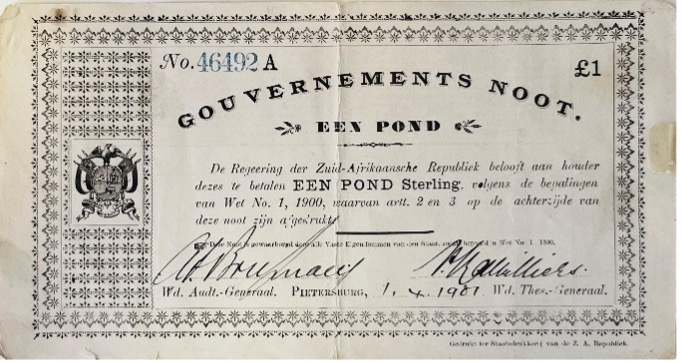
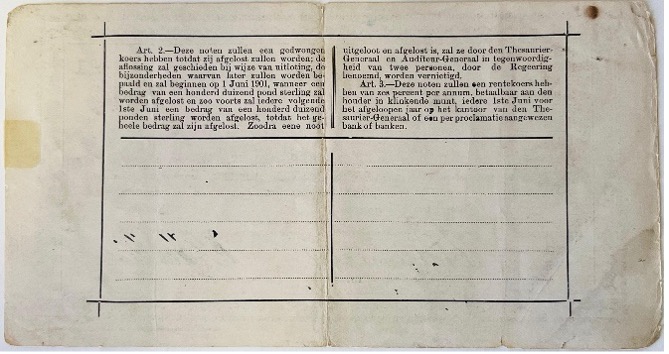
Figure 2: Example of the £1 note printed in Pietersburg.
When the British occupied Pretoria in June 1900, the ZAR government was forced to retreat north to Pietersburg for safety. With the capital lost, nearly all official printing presses fell into British hands. The only press still under ZAR control was the small Zoutpansberg Wachter newspaper press in Pietersburg. As the last operational press available, it was quickly declared the new State Printing Works and adapted to produce emergency banknotes.
Between early 1900 and 1901, approximately 116,000 notes were printed in Pietersburg across the same range of denominations. These notes were poorer in quality than the earlier issues: the paper was thinner, the printing less precise, and the colour darker, with a bluish-black appearance. The public accordingly nicknamed them “blue backs”.
There were three separate issues of these notes, dated 1 February, 1 March, and 1 April 1900. Security features were minimal. Some early notes included a rough typewriter-style embossing intended to serve as a watermark, but later issues were printed without any protection at all, making them easy to counterfeit. Printing errors also became common due to the rushed and improvised production conditions.
Eventually, the British advance reached Pietersburg, and the printing press was destroyed, bringing this emergency note production to an end.
Improvised Printing – Te Velde Issues
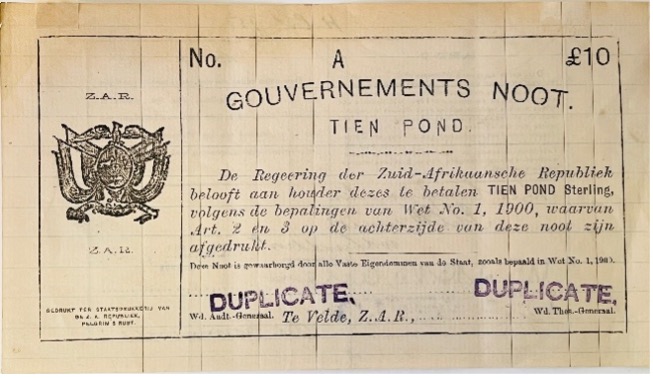

Figure 3: Example of the £10 note printed in Pilgrim’s Rest.
As the war dragged on, printing operations became increasingly mobile. A small hand-press was brought into service to issue further notes in the field. All of these notes were printed in black ink on poor quality paper, often whatever was available, including sheets torn from school exercise books.
The final “blue backs” were dated 1 March, 1 April, and 1 May 1902, and were limited to values of £1, £5, and £10. By this stage, resources were stretched to the limit, and the notes reflected this strain. Many display obvious typographical errors, uneven printing, or poor alignment. These flaws, however, contribute to their fascination for collectors today, offering tangible evidence and improvised conditions under which they were produced.
Circulation and Redemption
Although notes were printed in several denominations, the £1 note was circulated most widely. Higher-value notes were issued in much smaller quantities and rarely appeared in everyday trade. They were probably used primarily for large government purchases or payments to suppliers.
In principle, these notes could be redeemed. A body known as the Central Judicial Commission was tasked with examining the notes, verifying authenticity, and stamping those that had been legitimately issued. Holders of approved notes were, in theory, entitled to repayment – provided they had given real value in return. In practice, no interest was paid, and for many, the promised redemption never happened.
Conclusion
The Emergency Government Notes remind us that money is never just a medium of exchange; it is also about confidence, authority, and survival. In times of peace, paper currency depends on stable institutions. In times of war, that stability is shaken – yet money must still flow – for soldiers require pay, supplies must be purchased, and life continues amid uncertainty. Because of the conditions under which they were issued, few of these notes survived in good condition. Many were redeemed, destroyed, or simply discarded once they lost value. Others simply perished in the turmoil of war.
Collectors today distinguish between the Pretoria “green backs” and the Pietersburg “blue backs”, with the former usually better preserved and the latter scarcer due to poorer printing and harsher circumstances. The final field-printed issues are the rarest of all, and even badly damaged notes can attract considerable interest.
Each surviving note stands as a testament not only to the hardships of war, but also to the creativity and resilience of those who issued and used them.
References
Hern Brian, 2000/2001 Millenium Edition, Hern’s Handbook on South African Banknotes and Paper Money.