THE SIGNIFICANCE OF DOCUMENTING HERITAGE EVENTS: A REFLECTION ON TWO CELEBRATIONS
By: Sinah Patience Nthabiseng Nzuza: Junior Curator (Historical Documents and Photographs), DITSONG: National Museum of Cultural History
Cultural heritage is the foundation of identity, unity, and continuity for many communities. Through proper documentation, future generations are able to understand and appreciate their roots. In March 2025, I had the honour of attending two important events—one hosted by the Bakgatla Ba Mocha Ba Maloka Traditional Council on March 8th, and the other by the Ndzundza Mabusa Traditional Council on March 29th. These gatherings were more than mere celebrations; they were testaments to the rich history, enduring resilience, and living traditions of these communities.
Heritage Day with the Bakgatla Ba Mocha Ba Maloka Traditional Council
On 8 March 2025, the Bakgatla Ba Mocha Ba Maloka Traditional Council hosted a Heritage Day event that honoured their ancestors, customs, and traditions. The event was a colourful display of traditional music, dance, storytelling, and cultural exhibitions. Elders shared historical narratives that offered valuable insight into the council’s lineage, while young people performed traditional dances and songs, showcasing the community’s commitment to keeping their heritage alive.
A central theme of the day was the emphasis on oral traditions. Elders recounted stories of past struggles, triumphs, and the significance of their customs, underscoring the importance of preserving these narratives for posterity. Without proper documentation, this rich tapestry of history risks fading away with time. Capturing these moments through written records, audio recordings, and photographs ensures that this cultural legacy endures and remains accessible for generations to come.

Photo by Mrs Nthabiseng Nzuza:
BaPedi Traditional Dance.
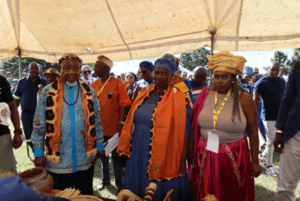
Photo by Mrs Nthabiseng Nzuza:
Kgoshi Lameck Mathibela Mokoena,
Kgosigadi MD Maloka of the Bakgatla Ba Mocha Ba Maloka Traditional Council.
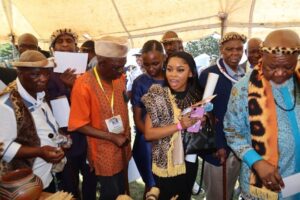
Photo by Mrs Nthabiseng Nzuza:
Ms Lethabo Mekoa known as Ntwaki.

Photo by Mrs Nthabiseng Nzuza.
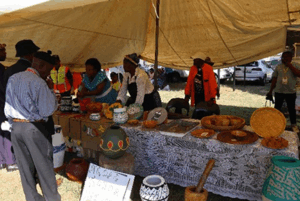
Photo by Mrs Nthabiseng Nzuza.
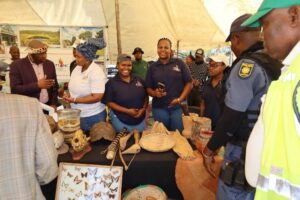
Photo by Mrs Nthabiseng Nzuza:
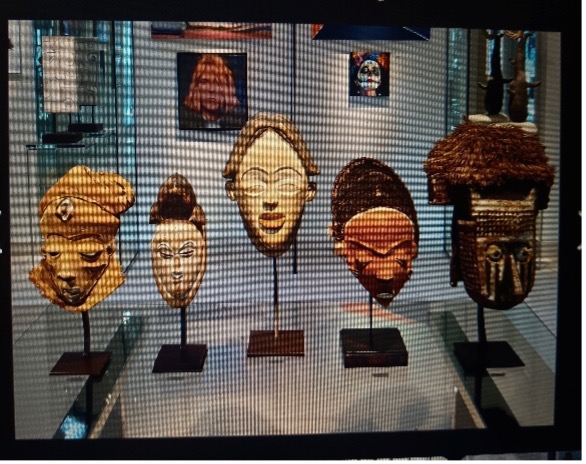
DITSONG: Museums of South Africa display.
The Official Opening of the Ndzundza Mabusa Traditional Council Office
On 29 March 2025, the Ndzundza Mabusa Traditional Council marked a historic milestone with the official opening of a new office building in Water B, under the Dr J.S. Moroka Local Municipality. This new facility represents a step forward in strengthening traditional leadership and promoting community collaboration. It will serve as a central hub for addressing community needs, preserving cultural heritage, and fostering economic and social development.
The event was attended by esteemed traditional leaders, community members, and dignitaries, all of whom recognised the significance of this infrastructure. Speeches highlighted the importance of integrating traditional leadership with modern governance to create sustainable solutions for community growth. The new office will not only serve as an administrative centre but also as an archive for historical documents, a space for cultural education, and a venue for discussions on pressing community issues.
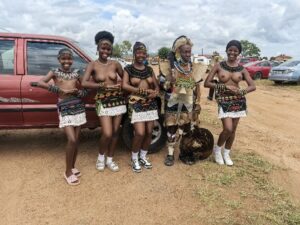
Photo by Mrs Lucia Rangata.
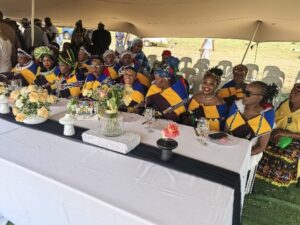
Photo by Mrs Lucia Rangata.
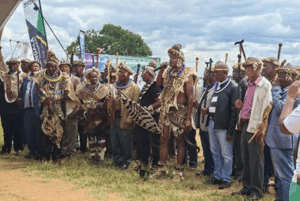
Photo by Mrs Lucia Rangata.
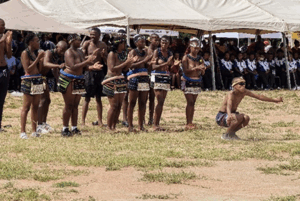
Photo by Mrs Lucia Rangata:
Ndebele cultural dance
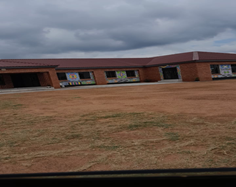
Photo by Mr B.J. Skosana.
The Importance of Documenting Heritage Events
These two events hosted by the Bakgatla Ba Mocha Ba Maloka and Ndzundza Mabusa Traditional Councils reaffirm the vital importance of documenting cultural celebrations—for historical, educational, and research purposes.
Effective documentation plays a key role in safeguarding heritage and ensuring that cultural practices endure over time. Its value can be seen in several key areas:
- Ensuring Continuity
Written records, oral histories, and photographs serve as references for future generations, allowing them to understand their heritage and maintain traditions.
- Providing Research Material
Documented heritage offers scholars, historians, and community members invaluable material to study cultural evolution and societal changes.
- Strengthening Identity
When communities see their heritage preserved, it fosters a sense of pride and belonging, reinforcing cultural identity.
- Facilitating Knowledge Transfer
Documented experiences serve as learning tools for future leaders and cultural custodians, enabling them to draw lessons from the past to inform decisions in the present and future.
By capturing these moments through various forms of documentation, we help prevent the rich histories of our communities from fading into obscurity. Whether through storytelling, photography, or written records, every piece of documented history contributes to the larger tapestry of cultural heritage. As we continue to celebrate and preserve our traditions, let us also recognise the power of documentation in keeping our past alive for generations to come.