TRADITIONAL SKIN CARE PRACTICES OF INDIGENOUS AFRICAN WOMEN
By: Ntebaleng Tlailane, Junior Curator, DITSONG: National Museum of Cultural History
Skincare and makeup have long been integral to indigenous women’s cultural expression, predating modern commercial cosmetics by centuries. Across many indigenous communities, women used natural pigments—such as Okuma, Ufie, and Ncha nkota—not only to enhance their appearance but also to convey identity, status, spirituality, and a connection to the land. This history dispels the misconception that skincare and makeup are recent inventions of “modern” civilization. Indigenous women have been practicing sophisticated forms of beauty, adornment, and self-expression for generations, grounded in rich cultural traditions and ancestral knowledge.
Okuma (Shea Butter)
For generations, Africans have relied on plants and other natural resources for skincare, with many of these traditional skincare practices originating in West Africa. Shea butter, known locally as Okuma, has long been one of the most valued natural products for enhancing the health and appearance of the skin. It served as a moisturizer and was prized for its healing properties, particularly for damaged or burned skin.
Okuma was also applied to children’s skin before they played outdoors, providing protection from harsh environmental conditions and functioning as a natural sunscreen. Among African women, it had multiple uses, including as an anti-aging lotion to maintain a smooth, youthful skin. Because of its importance, women would collect and store shea nuts to ensure a steady supply even when the nuts were out of season.
Process of Making Okuma (Shea Butter)
Women traditionally collected seeds from the shea tree, washed them, and left them to dry for about a week. Once dried, the nuts were broken into smaller pieces using stones or bricks and then roasted over an open fire until they released a pleasant, nutty aroma.
The roasted nuts were ground by hand, and water was added to help release the butter. The mixture was worked until the oil separated from the solid parts. The extracted oil was then boiled for about an hour and left to cool until it solidified. The final product – organic, pure shea butter – was then stored in containers for everyday use.

Shea nuts from the shea tree (Vitellaria paradoxa), the source of a thick, ivory-coloured vegetable butter widely used in the production of soaps, moisturisers, and lotions (Source: https://phys.org/news/2016-03-production-butter-shea-trees-west.html).
Ufie (Camwood)
Ufie, also known as camwood, has long been used by women in West African countries to maintain healthy and radiant skin. Women often applied camwood powder to brighten their skin after long hours spent performing household duties under the sun.
The powder also acted as a natural cleanser and could be applied in layers to help maintain a fair and even complexion. For severe acne, a thick layer of camwood powder would be applied to the affected area and covered with cloth overnight. It was also commonly mixed with shea butter for anti-aging purposes, helping to reduce wrinkles and keep the skin firm.
Beyond skincare, camwood had a variety of cultural and practical uses. Its leaves were used in spiritual cleansing rituals, symbolising peace and blessings. During ceremonies, the leaves were soaked in water overnight, and the infused water was sprinkled around the yard with a small broom to remove bad omens. This ritual was typically carried out by a traditional healer or a respected male elder in the family.
Camwood was also valued for promoting strong, healthy hair and was commonly used as a natural dye for textiles. It was often sold in small pellets, which could be crushed into powder whenever needed.
Process of Making Camwood Powder
The production of camwood powder is relatively simple. It begins with harvesting the red heartwood of the camwood tree. The bark is removed, and the wood is ground into a fine red powder. Camwood is often sold in small pellet form, which can be crushed into powder as needed for use in skincare, hair care, or ritual practices.
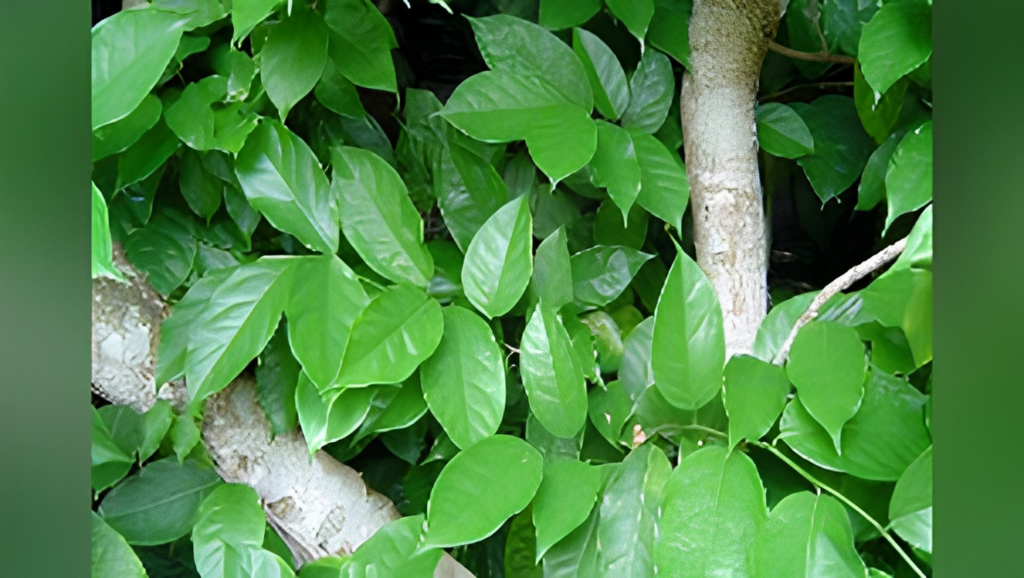
The Ufie tree, commonly known as camwood (Baphia nitida), is an African hardwood valued for its wide range of uses, including traditional medicine, cosmetics, woodworking, and natural dyeing.
Ncha Nkota (Black Soap)
Ncha Nkota, commonly known as black soap, has been used for generations by African women as a traditional skincare product. Made from a combination of wood ash, palm kernel oil, shea butter, and water, this indigenous soap protects the skin against environmental stressors. Like shea butter and camwood, black soap helps reduce inflammation, promotes clearer and more even-toned skin, and possesses anti-aging properties. Additionally, it can function as a mild sunscreen and assist in minimizing the appearance of wrinkles.
The Process of Making Black Soap
The production of black soap is a labour-intensive and highly detailed process that requires considerable patience and careful attention. Traditionally, it is a communal activity, with several participants contributing to different stages of production. The primary ingredients—wood ash, palm kernel oil, shea butter, and water—are mixed and cooked over a regulated fire for approximately three days until a thick paste is formed. Maintaining the appropriate level of heat is essential, as excessive temperatures can cause the ingredients to burn and compromise the quality of the soap.
The ash water contains potassium hydroxide, a naturally occurring alkaline substance essential to the saponification process, through which fats are converted into soap. Given the complexity of this procedure, precision and effective teamwork are crucial, as even a small error can compromise the quality of the final product.

Black soap, a traditional natural cleanser made from wood ash, palm kernel oil, shea butter, and water.
Conclusion
Indigenous African skincare traditions stand as a powerful testament to the creativity, resourcefulness, and deep relationship with nature embedded within African communities. Preserving and sustaining these traditional skincare practices not only safeguards valuable cultural heritage but also offers the potential to redefine beauty standards in ways that are inclusive, empowering, and reflective of Africa’s rich and diverse cultural history.