GRAMOPHONES: THE PIONEERS OF SOUND RECORDING
By: Ntebaleng G. Tlailane, Junior Curator: Mix Media, Technological and Toys Collections, DITSONG: National Museum of Cultural History (DNMCH)
Music has an incredible ability to bring people together and create shared experiences. Whether it is the joyous celebration of a wedding, the solemnity of a funeral, or the pride of a graduation, music plays a central role in marking these significant moments.
Beyond its presence in such events, music holds therapeutic power. Genres like soul, gospel, and others can act as emotional outlets, offering healing, comfort, and a sense of connection. It has the ability to reduce stress, elevate moods, and even improve cognitive function. The healing potential of music is something that has been studied for years, and its influence on our mental health and overall well-being is undeniable.
Music played a pivotal role in the resistance against apartheid in South Africa. During this era, artists like Johnny Clegg, P.J. Powers, and many others used their music as a powerful tool to unite people, raise awareness about the injustices of the apartheid regime, and express their struggles for freedom. Johnny Clegg’s band, Juluka, was especially significant in this context. Formed in 1978, Juluka was groundbreaking due to its racially integrated nature. At a time when apartheid laws strictly prohibited collaboration between black and white musicians, Johnny Clegg, a white man, and Sipho Mchunu, a black musician, defied these laws by coming together to form the band. Their music blended Western pop with traditional South African sounds, which resonated deeply with the oppressed communities and highlighted the shared experiences of South Africans across racial and cultural boundaries.
In addition to Juluka, Johnny Clegg and his subsequent band, Savuka (which means “We have risen” in Zulu), continued to spread a message of unity and resistance through their music. Clegg’s ability to bridge cultural and racial divides through his songs not only earned him international respect but also made him a symbol of defiance and resilience within South Africa. Despite his music being banned from airplay by the South African Broadcasting Corporation (SABC) and many of his performances facing state censorship, his work continued to inspire and unite people, even in the face of oppressive government policies. Through artists like Johnny Clegg and P.J. Powers, music played a crucial role in keeping the spirit of resistance alive. It provided both a means of survival and a platform for activism during the dark period of apartheid. Music became an essential part of the broader liberation movement that ultimately contributed to the end of apartheid in 1994.
P. J. Powers, also known as Thandeka, played a significant role in the South African music scene during the apartheid era. Her ability to connect with audiences of all backgrounds, coupled with her use of isiZulu in her music, helped bridge divides in a time when the country was deeply segregated. Her name, “Thandeka,” meaning “the loved one” in Zulu, is a reflection of the affection and admiration she earned from South Africans, regardless of their race or ethnicity. Through her music, Powers transcended barriers and became a symbol of unity and resistance against the oppressive apartheid regime. Her contributions to South African music, alongside other artists like Johnny Clegg, were powerful forms of defiance against segregation laws. They helped raise awareness both within the country and internationally about the injustices of apartheid.

Figure 1: A Philips gramophone in the collection of DNMCH (storage KF02).
Thomas Edison is indeed credited with inventing the phonograph in 1877, often considered one of his greatest achievements. The phonograph used a needle to read grooves on a rotating disc or cylinder, enabling sound to be recorded and played back. This breakthrough technology marked a revolutionary moment in music history, as it allowed people to record and replay sounds for the first time. Edison’s invention initially used a cylinder to store sound, but over time, the flat disc, or vinyl record, became the dominant medium for recorded music. The phonograph’s impact extended beyond the music industry, influencing other fields such as radio and entertainment, and shaping the way sound was shared and experienced across the globe.
By using both the telegraph and telephone principles, Edison applied similar ideas of sound transmission and amplification to create a device capable of capturing and replaying sound. The phonograph ultimately paved the way for modern record players and playback technologies, transforming how music was experienced and shared. It’s remarkable how this invention has left a lasting imprint on music and audio technology over the decades!
The introduction of the gramophone was a truly revolutionary moment in history because it allowed people to experience music in a way that had never been possible before. Prior to the gramophone, live performances were the primary way people could listen to music, but these events were limited by location, time, and availability. People could not simply sit at home and enjoy their favourite artists whenever they wanted.
With the advent of the gramophone, music became more accessible and personal. It allowed people to listen to recordings of their favourite musicians and composers on repeat, changing the way music was consumed and influencing the development of personal identities tied to music genres. People could now fully immerse themselves in the music they loved, whether it was jazz, blues, opera, or any other genre, all within the comfort of their homes.
The gramophone also played a crucial role in democratizing music, making it accessible to a wider audience across various social and economic backgrounds. No longer was music exclusive to the wealthy who could attend operas or live performances; now, people from all walks of life could enjoy a diverse range of musical styles. In this way, the gramophone made music an even more integral part of daily life and personal expression. Do you think there are modern equivalents to how technology has shaped our musical preferences today? Before recorded music, people’s exposure to music was primarily through live performances — whether in church services with communal singing or at funerals and social gatherings where choirs performed. While the gramophone was hailed as one of the greatest advancements in music, it wasn’t without its drawbacks. The rise of recorded music altered how people interacted with sound, but it also led to the loss of the immediacy and connection that live performances provided.
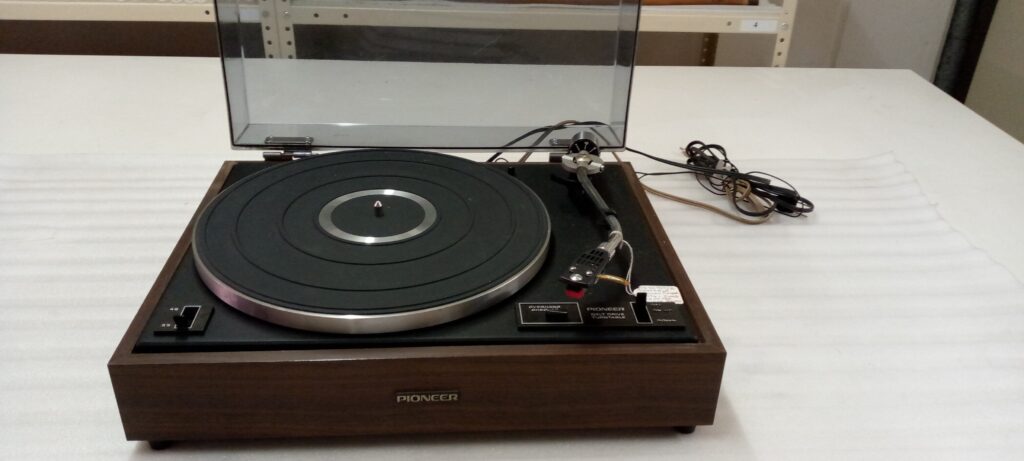
Figure 2: A Pioneer gramophone in the collection of the DNMCH (storage KF02).

Figure 3: Blaupunkt gramophone in the collection of DNMCH, (storage: KF02).
While the gramophone itself has been replaced by modern technologies like CD players, digital music formats, and streaming, its impact cannot be overstated. It was one of the pioneers of recorded sound, laying the groundwork for the music industry, as we know it today. The format of vinyl records, which gained popularity with the gramophone, has made a nostalgic resurgence in recent years.
Overall, the gramophone was more than just a music player was — it was a revolutionary tool that forever changed how we experience music. It was a groundbreaking invention that laid the foundation for the recording and distribution of music, making it accessible to people around the world, even those who couldn’t attend live performances. The transition from gramophones to cassettes and CDs reflects the ongoing evolution of technology, but as mentioned, music remains a constant. It transcends borders, languages, and cultures, connecting people in ways that few other forms of art can. The power of music to unite and inspire remains as strong as ever, regardless of the technology used to deliver it.
Even as new formats emerge, like streaming and digital downloads continue to emerge, the essence of music remains unchanged – its ability to bring people together. What’s your perspective on the appeal of vinyl records? Do you think it’s more about the sound or the experience? Some people believe they have a unique warmth and authenticity that digital formats cannot replicate.